







Correct application of an ice bath technique, which is a basic kitchen method, produces strong cooking results. By keeping food’s original texture, color, and fresh flavor intact and allowing for safe food handling techniques in home and commercial kitchen settings, the procedure protects its quality.
Many cooks know the idea but put it inconsistently by not realizing that better results depend on timing, ratios, and follow-through. Correct ice bath execution keeps food from overcooking and preserves nutrient value while enabling rapid and safe cooling. The techniques listed below reveal how to utilize ice baths to improve vegetable quality and food safety throughout everyday cooking practices.
Learn When to Use an Ice Bath
Ice baths are critical when food needs temperature management to cease cooking following exposure to boiling water or hot pan removal. The cooking process goes on since vegetables, eggs, and simmered fluids keep their internal heat even once they are removed from the oven. An ice bath stops this process immediately, locking food at the exact point you intended.
Ice baths become essential for food safety because they function as valuable protective measures. Hot foods left to cool slowly create extended periods when they remain in dangerous temperature zones. The process of rapid chilling decreases the time period during which bacteria can develop while maintaining the freshness and safety of leftovers for extended safe storage.
Scale Up for Batch Cooking or Hosting
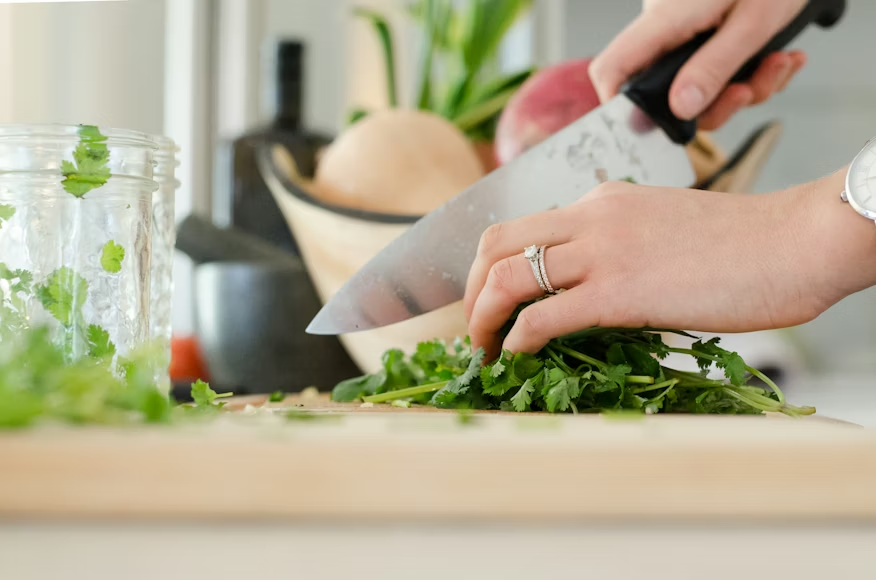
Restaurants and catering events require ice as an essential element, which needs to be available in sufficient amounts for their cooking needs. The preparation of multiple trays that contain blanched vegetables or hot food needs constant access to clean and cold ice throughout the entire preparation process.
Kitchens can use industrial ice dispensers for businesses because dining operations require precise ice distribution and sanitation standards, which must be maintained. Home cooks need to understand their ice requirements. This will assist them in planning their cooking process through the use of extra ice and filtered water, and their need to change ice baths during cooking periods.
Build a Proper Ice Bath Every Time
An ice bath needs proper construction, which goes beyond basic water and ice cube usage. The most reliable ratio is roughly equal parts ice and water to enable food to remain in contact with both substances. This also maintains the near-freezing temperatures. The combination will maintain a temperature that provides controlled cooling during the whole process without creating a rapid chill that will disappear too quickly.
The size of the container affects the results. The process of packing food into containers creates an immediate effect that raises water temperatures while making it harder to cool down the contents. The large bowl or sink should be used as the main choice because ice should be changed when it starts to melt. Light stirring helps move heat away evenly without damaging delicate ingredients.
Blanch Greens for Color and Bite
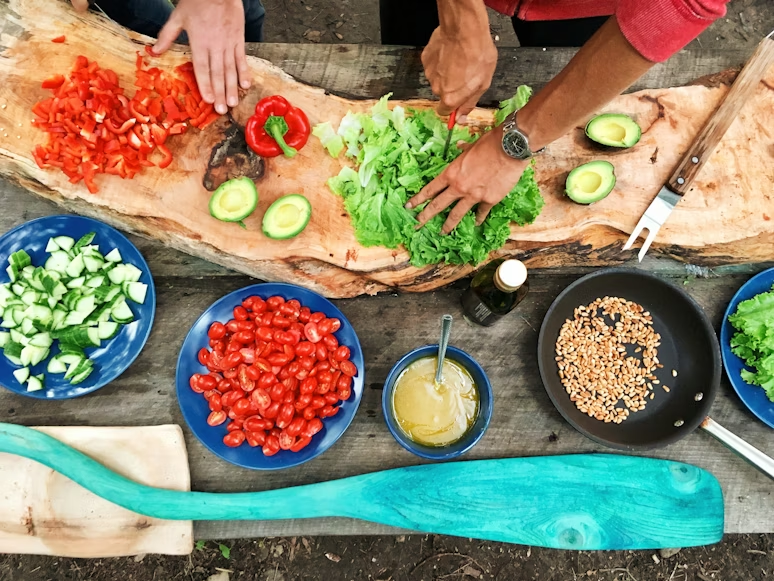
Blanching vegetables without an ice bath leads to disappointing results, which follow all vegetable cooking processes. The greens start to lose their original color and texture because of the ongoing cooking process through trapped heat. The immediate ice bath process maintains the vegetables’ original bright color and provides a pleasant snap, which preserves their visual appeal.
The ice bath process begins with boiling greens in salted water before transferring them directly into the ice bath. This process should be allowed to continue until complete cooling occurs before starting the draining process. Vegetables should undergo this step because it determines their final texture, which allows them to fit various purposes, including salad, stir-fry, and freezing, while maintaining their quality.
Shock Eggs for Easy Peeling and Texture
Ice baths provide essential benefits for egg cooking through their ability to create the best possible results when every detail needs to be controlled. The rapid cooling process protects the soft-boiled egg yolk texture, whereas cold shock prevents rubbery egg whites and central sections inside hard-boiled eggs from becoming overcooked.
The ice bath process helps with egg peeling because it enables egg white contraction after cooking to create a separation from the shell membrane. Let eggs sit in the bath long enough to cool completely before cracking, and peeling becomes noticeably easier and cleaner.
Cool Stocks and Soups Safely
The hot liquid cooling process becomes complicated when there is a large amount of hot liquid that needs to be cooled down. Stock and soup pots require an extended cooling time since their contents take several hours to reach complete cooling. The ice bath process provides two benefits through its ability to speed up cooling and keep food at safe temperature levels.
The ice-filled sink requires pot placement before stirring to achieve even heat distribution throughout the entire contents of the pot. The liquid temperature should be decreased until it reaches a point where the liquid can be split into multiple containers for further cooling activities.
Drain, Dry, and Store Correctly
An ice bath needs proper handling steps to achieve its full effectiveness. Food needs to stay in water until waterlogging develops because this process stops essential flavors from developing and destroys food texture. The quality of food items needs to be preserved through immediate draining, which must occur without delay.
Any storage and freezing process requires chefs to wait until all food items have dried completely after they finish draining. The presence of extra moisture results in food becoming soggy and ice crystals forming in the future.
Food Safety Is Key
Ice baths may seem basic, but they reward care and consistency. When you learn the timing for using the technique, the process of constructing it, and the sequence of actions that come next, you transform a basic technique into a powerful kitchen practice. The cooling process, which you handle with care, leads to better flavors, improved textures, and increased safety for all your meals, which you prepare.