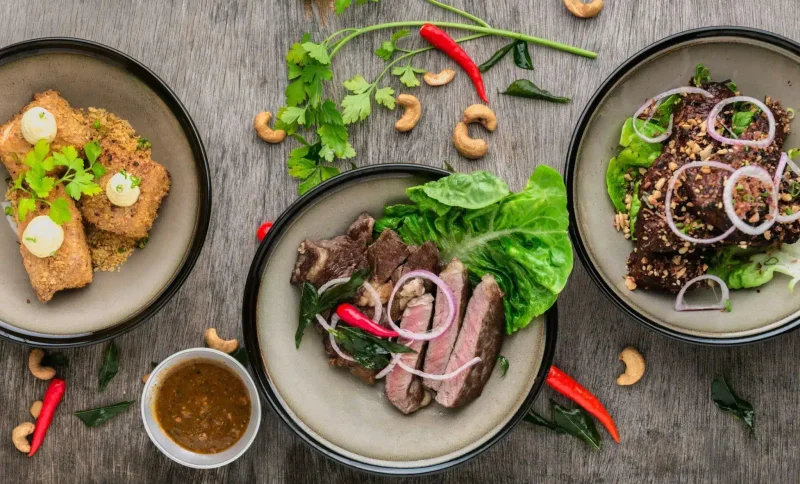
A healthier relationship with food rarely looks as dramatic or perfectly structured as social media often suggests. In real life, it usually develops through smaller changes that make eating feel less stressful, less restrictive, and easier to maintain during everyday routines. Many people gradually move away from constant cycles of guilt, rigid food rules, or all-or-nothing habits once they begin focusing more on consistency, flexibility, and long-term comfort instead of chasing perfection.
This shift often happens slowly because food habits are tied to much more than nutrition alone. Work stress, sleep patterns, social pressure, family routines, travel, body image concerns, and emotional overwhelm can all influence how people approach eating throughout the week. A healthier relationship with food generally involves reducing that constant mental tension rather than trying to control every meal perfectly. For those whose food struggles are linked to deeper patterns, structured eating disorder treatment programs can provide the support and guidance needed to rebuild balance and reduce anxiety around food.
Flexible Routines Usually Feel More Sustainable
One common misconception is that healthier eating always requires strict meal plans or highly controlled routines. In reality, many people find more stability once meals begin fitting naturally into daily life instead of revolving around constant restriction or tracking.
Schedules that allow room for social events, changing appetites, busy workdays, and occasional convenience meals often become easier to maintain long term. Support from an eating disorder dietitian may also help people rebuild more balanced habits when food anxiety, guilt, or restrictive cycles have started affecting everyday routines and overall well-being.
Stress Often Changes Eating Habits Quietly
Many eating struggles are connected less to food itself and more to stress, exhaustion, or overstimulation happening elsewhere in life. Long work hours, emotional pressure, inconsistent sleep, and constant distractions can all affect hunger cues, meal timing, and the ability to eat consistently throughout the day.
This is one reason people often feel more stable around food once broader daily routines improve. Slower mornings, better sleep, calmer evenings, and more manageable schedules frequently influence eating habits without requiring extreme dietary changes.
Everyday Comfort Habits Still Matter
A healthier mindset around food often develops alongside other routines that make people feel more physically comfortable overall. Hydration, rest, movement, skincare, and personal maintenance can all contribute quietly to how someone feels day to day without becoming obsessive routines themselves.
Simple comfort-focused habits often become part of creating calmer routines overall. Products from https://goatmilksoap.com/ may sit alongside everyday shower essentials, travel bags, or quieter evening routines where people focus more on consistency and feeling comfortable in daily life rather than constantly trying to “fix” themselves through extreme wellness trends.
Social Media Often Creates Unrealistic Expectations

Online wellness culture tends to reward extremes because dramatic transformations attract more attention than balanced long-term habits. Highly restrictive diets, unrealistic body standards, and rigid food rules are often presented as discipline rather than stress.
In real life, healthier eating patterns usually look far less dramatic. Many people still enjoy favorite foods, eat differently from day to day, and adjust routines according to energy levels, schedules, and social situations without treating occasional changes as personal failure.
Food Flexibility Often Improves Consistency
People frequently maintain healthier habits longer once eating becomes less emotionally charged. Flexibility allows routines to survive vacations, celebrations, stressful work periods, and changing schedules without creating constant cycles of guilt or overcorrection afterward.
This does not mean structure disappears completely. Instead, routines become more adaptable and less dependent on perfection. Long-term consistency often grows from habits that still feel manageable during difficult weeks rather than only functioning during ideal circumstances.
Healthier Relationships With Food Usually Feel Calmer
One of the clearest signs of a healthier relationship with food is often reduced mental stress surrounding everyday decisions. Meals become less tied to punishment, anxiety, or constant self-judgment and more connected to routine, nourishment, enjoyment, and practicality.
For many people, progress looks less like strict control and more like developing routines that support daily life without dominating it completely. Over time, calmer and more flexible habits usually become easier to sustain than highly restrictive systems built around pressure and perfection.