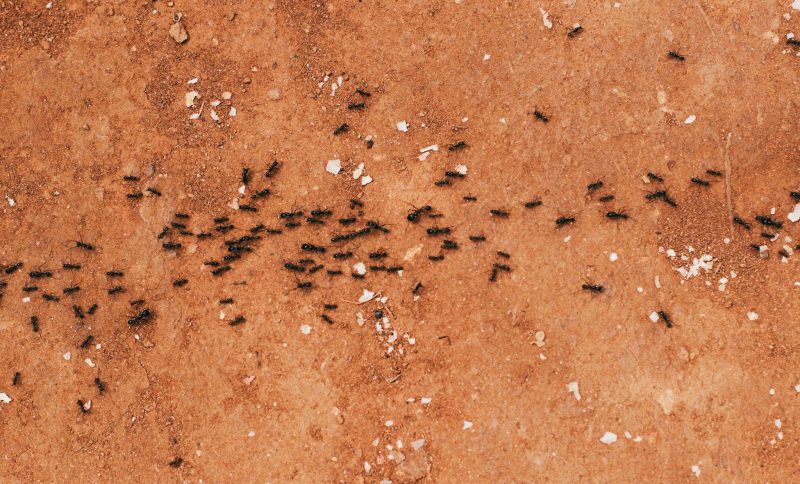
Most kitchen ant problems start long before homeowners notice a trail moving across the counter. Ants constantly search for food, moisture, and safe nesting areas, and kitchens offer all three in one convenient location. Crumbs near appliances, sticky drink spills, damp sink cabinets, and uncovered pantry items can attract ants surprisingly fast.
Many homeowners wipe away visible ants only to find them back the next morning. Ant colonies rely on scent trails to guide other ants toward dependable food sources. Once a kitchen becomes part of that route, the activity can continue until the trail and the source are properly addressed.
Warm weather often increases indoor ant activity because colonies become more active during spring and summer. Kitchens with frequent cooking, baking, recycling bins, and hidden moisture can become easy targets for scouting ants looking for reliable resources.
Why Kitchens Attract Ants
Kitchens provide many of the conditions ants need to survive. Food residue, moisture, warmth, and hidden shelter create an environment where ants can forage without much difficulty. Even homes that appear spotless may still contain tiny crumbs or moisture buildup that attracts pests.
Certain kitchen areas tend to attract ants more than others:
- Under refrigerators
- Around dishwashers
- Pantry shelves
- Sink cabinets
- Pet feeding stations
- Recycling containers
Sugary spills from juice, fruit, syrup, or baking ingredients often attract one group of ants, while grease residue and protein scraps attract another. Moisture-loving species may settle near leaking pipes or damp wood beneath sinks.
When Professional Ant Control Makes Sense
Recurring kitchen ant problems may point to larger colonies hidden around the property. Outdoor nests near foundations, landscaping, patios, or wall voids can continue producing new trails despite repeated cleaning efforts.
Professional pest inspections often focus on:
- Nesting locations
- Moisture problems
- Structural entry points
- Colony size
- Seasonal activity patterns
- Hidden infestation areas
Homeowners searching for long term ant control options sometimes explore services like ClarksPest. Professional technicians can identify specific ant species and recommend treatment approaches based on the layout and condition of the home.

How Ant Trails Work
Ants rarely move through kitchens randomly. Worker ants search for food sources and leave behind pheromone trails once they discover something valuable. Those invisible chemical trails help guide the rest of the colony directly to the source.
A homeowner may clean visible ants from the counter while additional ants continue following the same path along walls, baseboards, or hidden gaps behind cabinets. Breaking the trail becomes one of the most important steps in controlling the problem.
Many homeowners use vinegar and water solutions to wipe down counters, floors, and entry points because the mixture helps remove food residue while disrupting scent trails.
Sugar Ants and Grease Ants
Different ant species search for different types of food. Understanding what attracts them can help homeowners narrow down where the problem may be coming from.
Sugar ants usually target sweet foods and beverages such as:
- Fruit juice
- Syrup spills
- Candy containers
- Honey residue
- Soft drinks
Grease ants are often attracted to oily or protein-based residue left behind after cooking.
Common grease ant attractions include:
- Cooking oils
- Bacon grease
- Pet food
- Meat scraps
- Butter residue
- Crumbs near stovetops
Some homes may experience activity from multiple ant species at the same time, especially during warmer months when food competition increases outdoors.

Moisture Problems Can Invite Ants Indoors
Food is only part of the issue. Ants also search for dependable moisture sources, especially during dry conditions. A slow plumbing leak beneath the sink or condensation around appliances may provide enough water to attract foraging ants.
Common kitchen moisture hotspots include:
- Leaking pipes
- Wet dish sponges
- Refrigerator drip pans
- Dishwasher seals
- Coffee maker areas
- Damp cabinet wood
Older homes may also develop hidden moisture inside walls or beneath flooring. Some ant species prefer nesting near damp wood because it provides both shelter and humidity.
Daily Habits that Help Reduce Ant Activity
Long-term prevention usually depends on reducing access to food and moisture while limiting entry points around the home. Small daily cleaning habits can make a noticeable difference over time.
Helpful prevention steps include:
- Sealing pantry ingredients
- Cleaning crumbs after meals
- Wiping sticky counters quickly
- Emptying indoor trash regularly
- Repairing plumbing leaks
- Sealing cracks near doors and windows
Pet food bowls should also be cleaned frequently because leftover food can attract ants overnight. Recycling bins deserve attention as well since beverage residue often collects at the bottom.
DIY Ant Traps and Cleaning Methods
Mild ant problems can sometimes improve with careful cleaning and bait placement. Unlike sprays that kill ants immediately, bait stations allow worker ants to carry food back to the colony.
DIY bait methods often use ingredients such as:
- Borax
- Sugar water
- Honey
- Peanut butter
- Cotton balls
Strong sprays may eliminate visible ants without affecting the nest itself. Colonies hidden outdoors or inside walls may continue sending more workers into the kitchen if the larger source remains active.
Keeping Kitchens Less Appealing to Ants
Kitchen ant problems often grow slowly before becoming obvious. A few crumbs behind an appliance or a hidden moisture issue beneath the sink may provide enough resources for ants to keep returning day after day.
Understanding why ants target kitchens and what you can do helps homeowners respond before small trails turn into larger infestations. Consistent cleaning, moisture control, sealing entry points, and quick action after spotting activity can help keep kitchens cleaner and far less attractive to ants throughout the year.