A busy cooking day can be wonderfully satisfying. Maybe you tested a new recipe, baked something for the weekend, hosted friends, or finally tackled a proper meal prep session. By the end, the counters are wiped, the leftovers are packed away, and the dishwasher is doing the hard part.
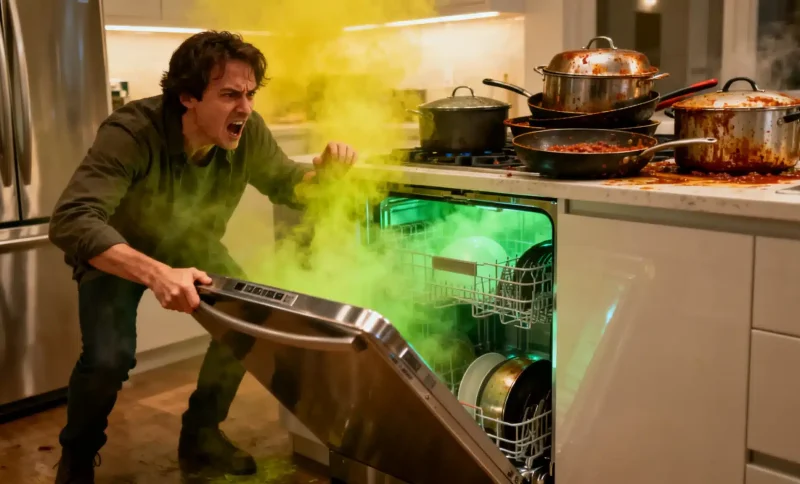
Then the next morning, you open the dishwasher and get hit with a smell that does not match the clean plates inside.
A bad dishwasher smell is one of those small kitchen problems that feels especially frustrating. The appliance is supposed to make cleanup easier, not leave the kitchen smelling like old food, sour water, or something hidden behind the racks.
Whether someone is searching for a plumber in Torontoor just trying to figure out why their dishwasher smells after every heavy cooking day, the first step is understanding where the odor usually starts.
Why Dishwashers Start to Smell
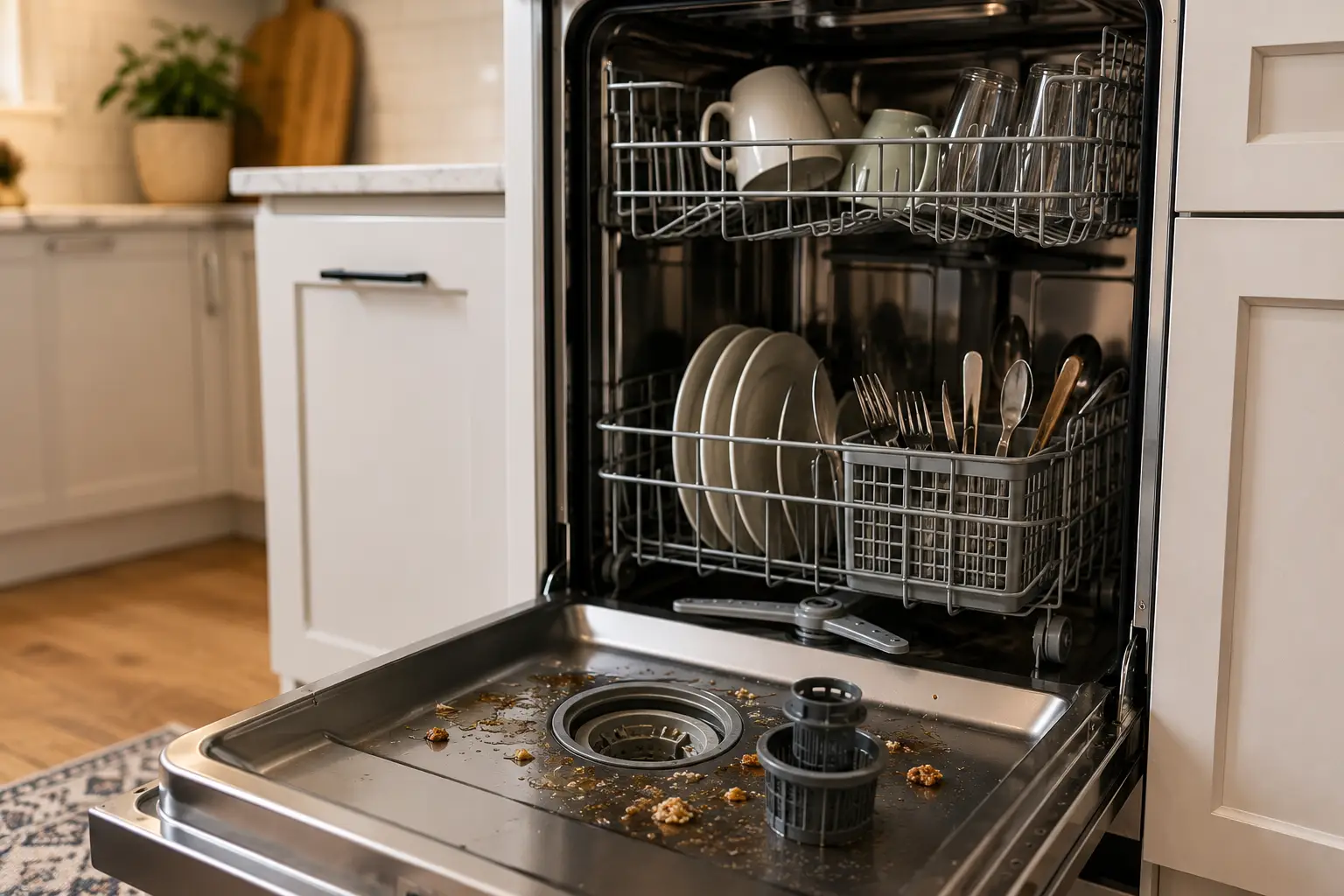
Dishwasher odors usually come from trapped food, grease, standing water, or buildup in places that are easy to miss. Even if the dishes look clean, tiny particles can collect in the filter, spray arms, door gasket, or drain area.
After a big cooking day, the dishwasher works harder than usual. It may handle greasy pans, sauce-covered plates, mixing bowls, cutting boards, coffee mugs, and utensils with small bits of food still attached. That extra load can reveal problems that do not show up during lighter use.
Food Particles Can Hide in the Filter
Many modern dishwashers have a removable filter at the bottom. Its job is to catch food particles so they do not move through the machine and back onto your dishes.
When the filter is not cleaned regularly, food can sit there and break down. That can create a sour or musty smell, especially after a warm wash cycle.
The fix is simple but easy to forget. Remove the filter according to the dishwasher manual, rinse it well, and gently scrub away any residue. If you cook often, this may need to become a regular kitchen habit rather than an occasional deep-clean task.
Grease Can Stick to Hidden Surfaces
Greasy pans, buttery baking dishes, creamy sauces, melted cheese, and roasted meats can leave behind more residue than you realize. Even hot water and detergent may not clear every bit of grease from the appliance.
Grease can cling to the filter, drain area, rubber seal, and interior walls. Over time, it can trap crumbs and create odor.
A helpful habit is to scrape dishes well before loading them. You do not need to wash everything first, but removing heavy food and grease gives the dishwasher a better chance to do its job properly.
The Door Gasket Can Hold Moisture
The rubber seal around the dishwasher door helps keep water inside the appliance. It can also trap moisture, crumbs, and sticky residue.
If the smell seems strongest near the door, wipe around the gasket with a soft cloth. Pay attention to the folds and corners. This area often gets overlooked because it is not as visible as the racks or the bottom filter.
When the Smell Comes With Poor Drainage
A smell by itself may be a cleaning issue. A smell combined with standing water, slow drainage, or dirty water at the bottom of the dishwasher can point to a bigger problem.
Standing Water After a Cycle
A small amount of water near the filter area can be normal in some dishwashers, but visible standing water across the bottom is not something to ignore.
Standing water can make food residue smell worse. It can also mean the dishwasher is not draining properly because of a clogged filter, blocked hose, appliance issue, or drainage problem.
Start by checking the filter. If that does not help, pay attention to whether the problem happens after every cycle or only after heavy loads.
Dishes Come Out Smelly or Cloudy
If dishes smell unpleasant after a full wash cycle, the dishwasher may be recirculating dirty water or struggling to drain completely.
Cloudy glasses can also come from hard water or detergent issues, but when cloudiness appears with odor, food residue, or standing water, the problem may be more than cosmetic.
This is the point where it helps to look for patterns. Does it happen after greasy meals? After baking? After using the dishwasher several times in one day? Those details can help narrow down the cause.
The Dishwasher Smells Worse After Hot Cycles
Heat can intensify odors. If old food, grease, or stagnant water is sitting inside the appliance, a hot cycle may make the smell more noticeable.
That does not always mean the dishwasher is broken. It may mean buildup has collected somewhere that needs cleaning or inspection.
Simple Things to Check First
Before assuming the worst, there are a few practical checks that are safe for most homeowners.
Clean the Filter
The filter is the best place to start. Remove it carefully, rinse it under warm water, and scrub away stuck-on food with a soft brush.
Do not force parts if they do not move easily. Dishwasher designs vary, so the manual is the safest guide.
Wipe the Door Seal
Use a damp cloth to wipe around the rubber gasket. Look for crumbs, grease, or dark residue in the folds.
This small step can make a surprising difference because trapped food near the door can smell even when the rest of the dishwasher looks clean.
Check the Spray Arms
Spray arms can sometimes get clogged with small bits of food or mineral buildup. If water cannot spray properly, dishes may not rinse cleanly, and residue can remain inside the appliance.
Remove and clean the spray arms only if your dishwasher manual explains how to do it safely.
Run a Cleaning Cycle
A dishwasher cleaning tablet or a manufacturer-recommended cleaning cycle can help remove buildup. Some people use vinegar, but it is better to follow the appliance instructions because not every material responds the same way to repeated acidic cleaning.
A cleaning cycle works best after the filter and visible grime have already been removed.
Cooking Habits That Can Make Dishwasher Odors Worse
Dishwasher smells often connect to everyday cooking habits. The more the kitchen is used, the more important those habits become.
Loading Plates With Too Much Food Left On Them
Dishwashers can handle some residue, but they are not food disposals. Scrape plates before loading them, especially after pasta, rice, sauces, eggs, dairy-heavy dishes, and greasy meals.
This helps prevent food from collecting in the filter and drain area.
Washing Greasy Pans Without Wiping Them First
Heavy grease can coat dishes, the dishwasher interior, and drain components. Before loading greasy pans, wipe off excess oil or fat with a paper towel.
This is especially helpful after cooking bacon, roasting meat, frying, or baking buttery dishes.
Overloading the Dishwasher
When the dishwasher is packed too tightly, water and detergent may not reach every surface. Food can stay stuck to plates, bowls, and utensils, then settle inside the machine.
A slightly less crowded dishwasher often cleans better than one that is completely full.
When It Is Time to Call a Professional
It may be time to call a professional if the dishwasher keeps smelling bad after cleaning, leaves standing water, drains slowly, leaks, or affects nearby plumbing. Repeated odors can point to a clog, drainage issue, installation problem, or hidden buildup that is not reachable through normal cleaning.
For homeowners who cook often, host guests, or rely on the dishwasher every day, recurring drainage and odor issues should not be treated as normal kitchen mess. Local specialists like Dr. Pipe Drain and Plumbing focus on finding the real source of the problem, not just masking the smell. Their team can inspect the dishwasher connection, drain line, visible under-cabinet plumbing, disposal connection, and moisture-prone areas to understand whether the issue comes from trapped food buildup, a clogged drain, a leaking fitting, or a deeper plumbing concern. This kind of careful diagnosis helps protect the kitchen from repeated odors, standing water, hidden leaks, and avoidable damage while keeping daily cleanup simple and reliable.
Professional help is especially important if there is water under the dishwasher, damp flooring, musty cabinet odors nearby, or signs that the same problem keeps returning after every cleaning attempt.
Keep Cleanup Fresh After Every Cooking Day
A dishwasher should make cooking feel easier. It should help clear the mess after dinner, baking, hosting, or meal prep, not leave the kitchen smelling unpleasant.
Most dishwasher smells start with simple things: food in the filter, grease buildup, moisture around the door seal, or poor drainage after a heavy load. Cleaning the filter, wiping the gasket, scraping plates, and avoiding heavy grease can help prevent many odor problems.
But if the smell keeps coming back, especially with standing water or slow drainage, it is worth treating the issue as more than a normal kitchen nuisance. A fresh dishwasher makes the whole kitchen feel cleaner, calmer, and ready for the next recipe.