
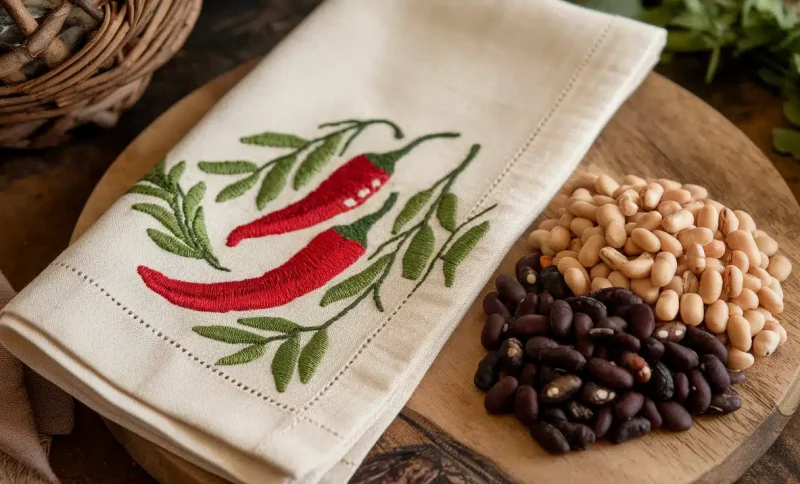
Beans are a versatile pantry staple that can add flavor, texture and nutrition to countless meals.From Mexican burritos to Cuban black bean soup, these beans have earned their place in the kitchen.
When it comes to the nutrition of pinto beans versus black beans, there’s no clear winner and that’s good news.
Both pinto and black beans pack a serious nutritional punch, but they each have their own unique strengths. Some beans are better for your heart, while others give you more energy.
This comparison covers cost, taste and the best uses for each bean, so you can pick the right one for your next meal. Ready to become a bean nutrition expert?
Why Pinto and Black Beans Are Good for You
Beans are like tiny heroes hiding in your pantry. Every bite gives your body plenty of plant protein to build strong muscles, plus loads of fiber to keep your stomach happy and your heart healthy.
They’re naturally very low in fat (about 1 gram per cup) and have zero cholesterol, making them perfect for anyone looking to eat healthier.
If you choose creamy pinto beans or bold black beans, you’re getting vitamins and minerals that help your body work at its best.
Beans taste amazing in tacos, soups, salads and brownies, so there’s no need to eat the same meal repeatedly.
They’re budget-friendly and keep you full longer. For vegetarians or those reducing their meat intake, beans are the perfect substitute, without leaving your dinner feeling like something is missing.
Pinto Beans vs Black Beans: Nutrition Facts
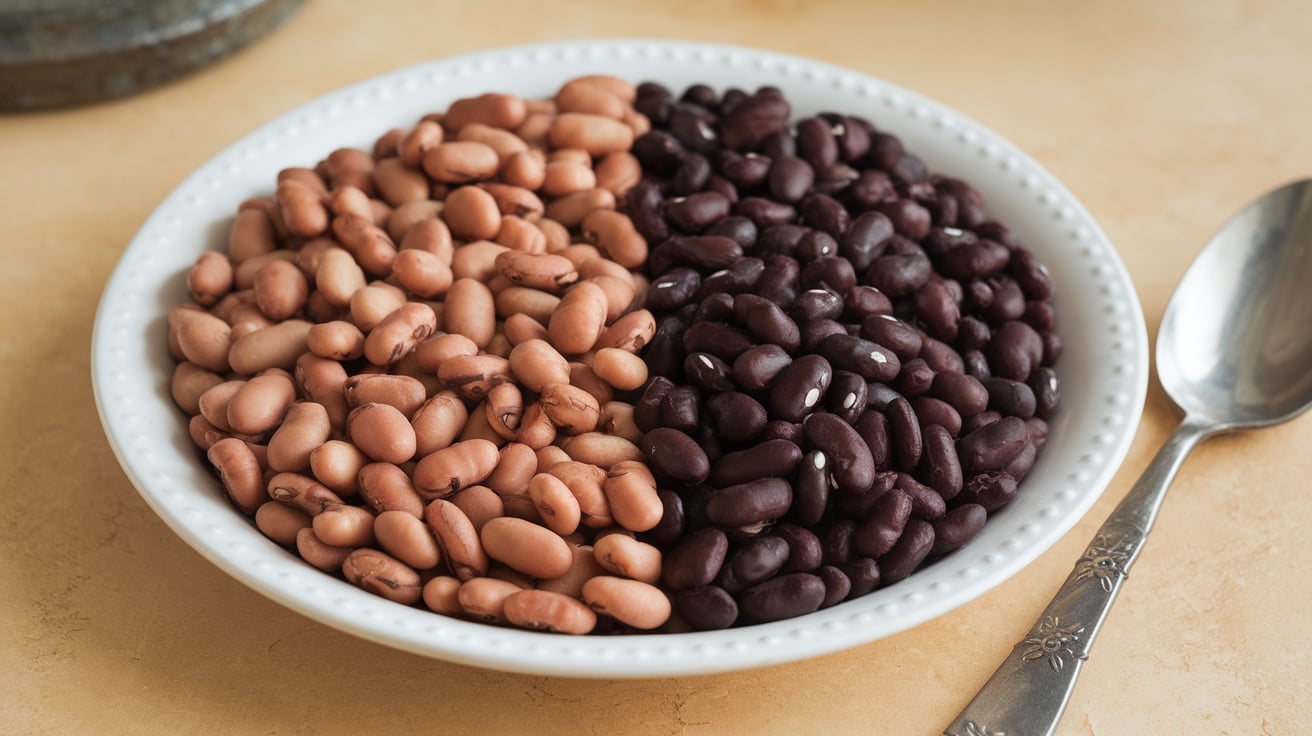
When you’re learning about pinto beans vs black beans nutrition, you might be surprised to know that both of these colorful beans are nutrition-packed.
While they look different on your plate, they are actually quite similar when it comes to keeping your body healthy and strong.
|
Nutrition Facts |
Pinto Beans (1 cup cooked, 171g) |
Black Beans (1 cup cooked, 172g) |
|---|---|---|
|
Calories |
245 |
227 |
|
Protein |
15.4 g |
15.2 g |
|
Carbohydrates |
44.8 g |
40.8 g |
|
Fiber |
15.4 g |
15 g |
|
Fat |
1.1 g |
0.9 g |
|
Folate |
74% Daily Value |
64% Daily Value |
|
Iron |
20% Daily Value |
20% Daily Value |
|
Magnesium |
20% Daily Value |
29% Daily Value |
|
Potassium |
16% Daily Value |
13% Daily Value |
Pinto beans give you a little more folate and potassium, while black beans pack more magnesium. Black beans also have about 18 fewer calories per cup.
Note: These figures are approximate and can change with preparation, so don’t worry about getting every percentage lined up in your bowl. Both varieties provide excellent nutritional benefits as part of a balanced diet.
Health Benefits
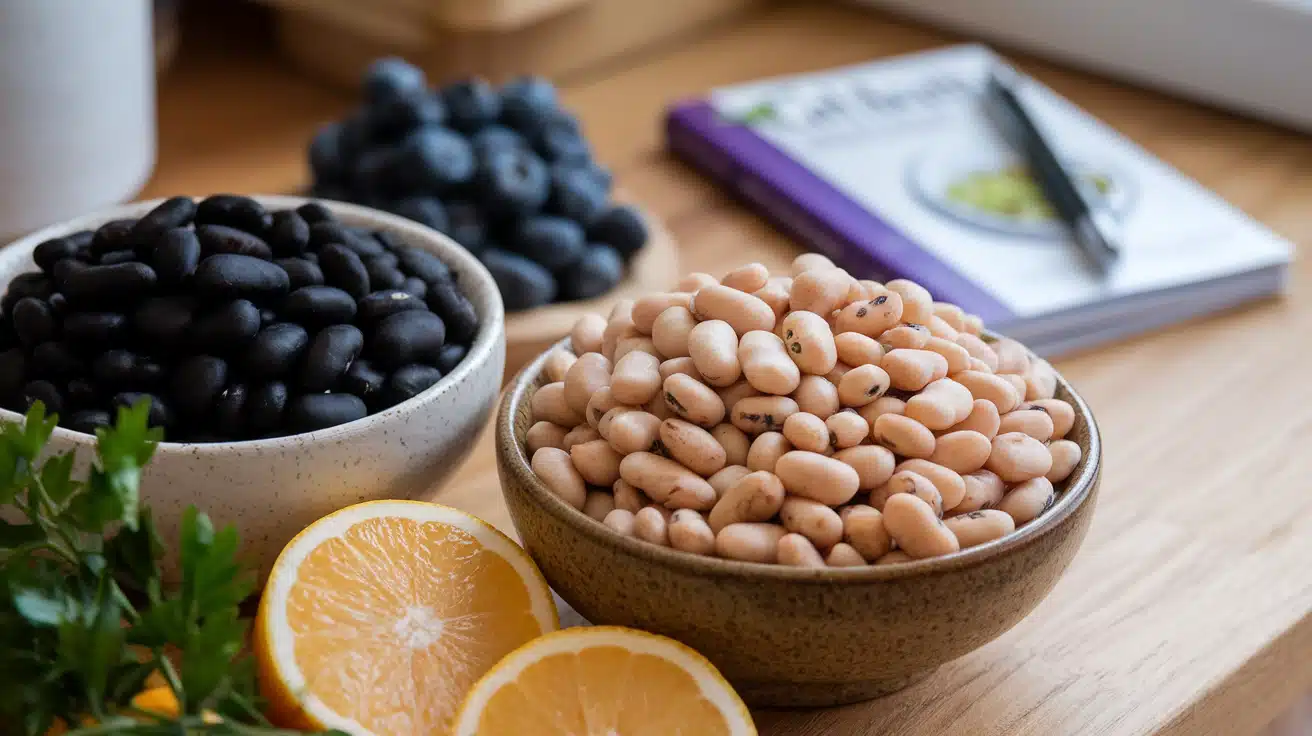
These littlepowerhouses are packed with nutrients that help keep you healthy and strong. When you eat beans regularly, you’re doing something really good for your whole body!
1. Digestive Health
Beans are loaded with fiber, which acts like a cleaning crew for your digestive system. This fiber helps food move smoothly through your body and keeps everything working properly.
When you eat beans, you’re helping your stomach and intestines stay healthy and happy. Plus, good digestion means you’ll feel more comfortable and energetic throughout the day!
But adding lots of beans all at once can leave you feeling bloated. Start with smaller portions if they’re new to your meals, then build up gradually. Your tummy doesn’t need a bean surprise party.
To compare the fiber in beans with other everyday foods, read this high-fiber food chart for more options to add to your meals.
2. Heart Health
Your heart loves beans because they’re full of special minerals called potassium and magnesium. These minerals function like tiny helpers, keeping your heart beating strong and steady.
Getting enough of them can help keep your blood pressure in a healthy range, so your heart doesn’t have to work as hard.
Both beans contain these minerals, so you don’t need to choose a winner to make a heart-friendly meal.
3. Blood Sugar Control
Beans contain special types of carbohydrates that release energy slowly into your body. This means your blood sugar won’t spike up and down like a roller coaster after you eat.
Instead, beans help keep your energy levels steady throughout the day so that you won’t feel tired or cranky between meals. It’s like having a steady fuel supply for your body’s engine!
Beans still count toward your meal’s carbohydrates, so think of them as a helpful teammate, not a free pass for unlimited portions!
4. Weight Management
The protein and fiber in beans work together to help you feel full and satisfied after eating. When you feel full, you’re less likely to snack on unhealthy foods or overeat at your next meal.
This makes beans a smart choice for maintaining a healthy weight. Think of beans as your body’s natural appetite control system that actually tastes great, too!
Give your beans some colorful veggie companions for a balanced plate. Healthy eating doesn’t have to look like a lonely scoop in a bowl!
Healthy eating doesn’t have to look like a lonely scoop in a bowl! For a fresh and flavorful meal idea, try this zesty chickpea cucumber salad, which combines legumes with colorful vegetables.
Antioxidant Properties
Black beans tend to have more antioxidants than pinto beans, thanks to the dark skin color. They’re packed with special compounds called anthocyanins (plant pigments that also act as antioxidants) that give them their dark color.
These powerful antioxidants act as bodyguards, protecting your cells from damage caused by reactive substances, including those produced when you’re exposed to environmental pollutants.
Pinto beans are amazing fighters, too! They contain flavonoids and other antioxidants that act like a shield for your body.
Think of antioxidants as your body’s cleanup crew, they sweep away the bad stuff that could make you sick. So, a lighter color doesn’t mean they’ve missed out!
Both types of beans help keep your body strong and healthy by fighting off damage before it can cause problems.
Appearance and Flavor: Pinto Beans vs Black Beans
Pinto and black beans differ in both appearance and texture, which can influence how they look and taste in different dishes.
Pinto Beans: Pinto beans have a light beige base with reddish-brown speckles that fade during cooking, leaving them with a soft, tan color. Once cooked, they develop a tender, creamy texture and a mild, earthy flavor.
Their smooth consistency makes them easy to mash, which is why they’re commonly used in refried beans, dips, burritos and Mexican-inspired dishes.
Black Beans: Black beans are small, oval-shaped beans with a deep, glossy black skin and a creamy white interior. They retain their dark color after cooking and have a slightly firmer texture than pinto beans.
Their flavor is earthy, mildly sweet, and more pronounced, making them a great addition to rice bowls, soups, salads, tacos and stews.
Both varieties absorb seasonings, but their different textures make each better suited to certain recipes.
Cost and Availability: Which Bean Wins Your Wallet?
When it comes to feeding your family without breaking the bank, both pinto and black beans are budget-friendly choices and dried beans cost less per serving than canned.
|
Bean Type |
Cost |
Where to Find Them |
What to Keep in Mind |
|---|---|---|---|
|
Dried pinto beans |
Example: $1.08 for a 1-pound bag or $1.98 for a 2-pound bag. |
Available through major grocery retailers, including Walmart. |
Larger bags may have a lower price per pound, so compare unit prices. |
|
Dried black beans |
Example: $1.54 for a 1-pound bag or $2.92 for a 2-pound bag. |
Available through major grocery retailers, including Walmart. |
Black beans cost more than pinto beans in these examples, but the difference is not a fixed rule. |
|
Organic versions |
Prices vary; one example is $1.13 for a 15-ounce can of organic black beans versus $0.92 for conventional black beans. |
Available from retailers that stock organic bean options. |
Compare equivalent package sizes rather than assuming a set organic premium. |
|
Canned beans |
Example: $0.92 for a 15-ounce can of conventional black beans. |
Available through major grocery retailers in single cans and multipacks. |
Canned beans are already cooked and ready to use, making them a convenient option. |
Dried beans usually give you more servings for your money than canned beans, and a one-pound bag provides about 6-8 servings. Canned beans save time on soaking and cooking. I like the option that makes a meal manageable on the day.
Cooking with Pinto and Black Beans
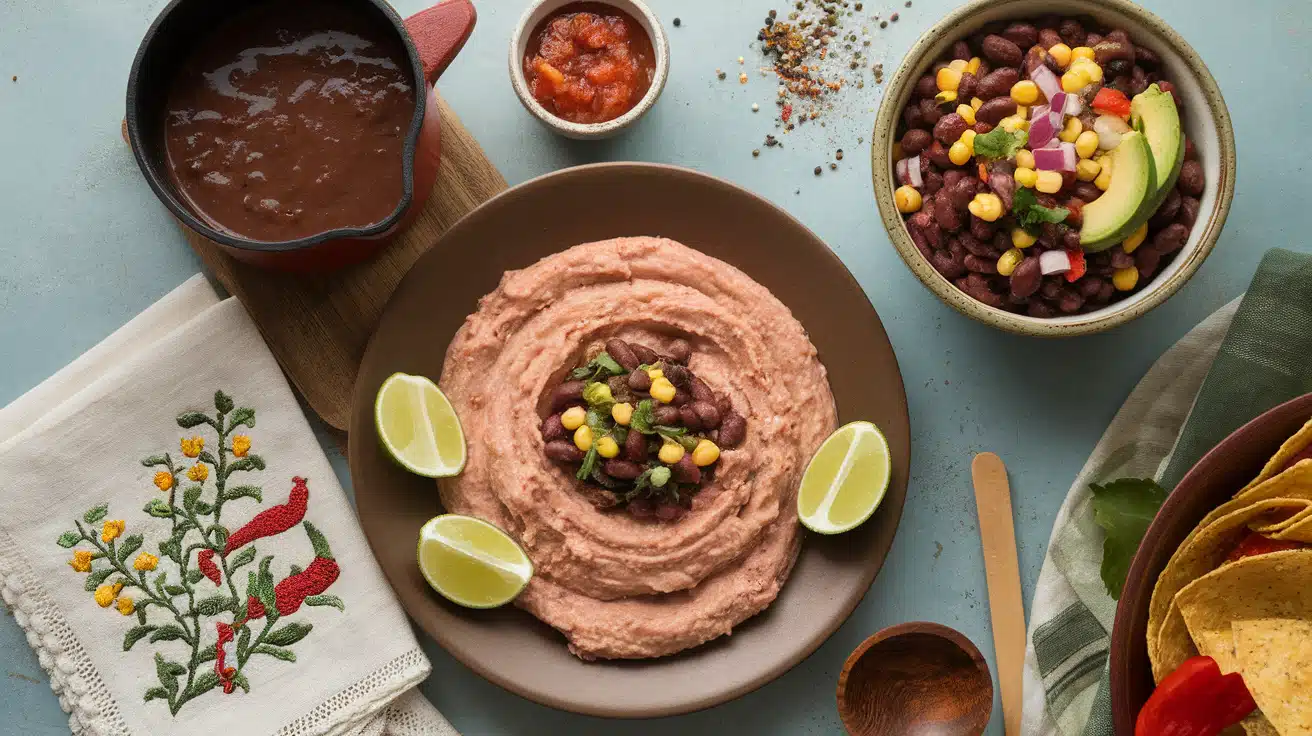
Pinto beans are a staple in Mexican-inspired cooking. They’re commonly used in refried beans, burritos, enchiladas, quesadillas and creamy bean dips.
You can also add them to chili, serve them with rice, or use them as a taco filling. They work especially well in recipes where you mash or blend the beans into a smooth consistency.
Black beans are popular in Latin American and Caribbean dishes. They’re a great addition to Cuban-style rice and beans, hearty soups, tacos, burrito bowls and fresh salads. You can also use them in homemade veggie burgers or even black bean brownies for a creative twist.
Both varieties pair beautifully with ingredients like garlic, cumin, onions, tomatoes, cilantro and chili powder. You can easily swap one for the other in many recipes, depending on what’s available in your pantry.
Cajun red beans and rice recipe is another satisfying bean-and-rice meal; check this out for a classic Louisiana-inspired dinner.
How to Store Pinto and Black Beans
Proper storage helps preserve the freshness, flavor and quality of both pinto and black beans. Follow these simple tips to keep them ready for your next meal.
Dried Beans: Store uncooked beans in airtight containers in a cool, dry place away from moisture and direct sunlight. Properly stored dried beans can last for a long time while maintaining their quality.
Canned Beans: Keep unopened cans in a cool, dry pantry and check the best-by date before use. Once opened, transfer leftover beans to an airtight, food-safe container and refrigerate for 3-4 days.
Cooked Beans: Allow cooked beans to cool before storing them in an airtight container in the refrigerator. Use within 3-4 days, or freeze in portion-sized containers for up to 2-3 months.
Pro Tip: Add a little cooking liquid before freezing cooked beans to help maintain their moisture and texture when reheated.
Conclusion
So, which bean is healthier? They’re both nutritious foods that deserve a spot on your plate! There’s no need to crown one and banish the other.
Think of pinto beans as your energy buddy – they’re creamy, mild, and perfect for burritos and chili. Black beans have a bolder taste and hold their shape in salads and soups.
Mix both beans in your meals for more variety in nutrients and flavors. Your taste buds and your body will thank you. Drop a comment below and share your best bean dish ideas!
Frequently Asked Questions
Can You Eat Canned Pinto and Black Beans without Cooking Them?
Yes! Canned beans are already cooked, so it can be eaten straight from the can or added to a cold dish.
Can You Use The Liquid from Canned Beans?
The liquid can go into soups, stews, or chili along with the beans. If you plan to use it, choose a reduced-sodium version to help keep the salt in check.
Are Canned Beans as Healthy as Dried?
Yes, they have similar protein and fiber. The main difference is sodium, since many canned beans have added salt. Choose no-salt-added cans, or drain and rinse the beans to cut some of the sodium.