
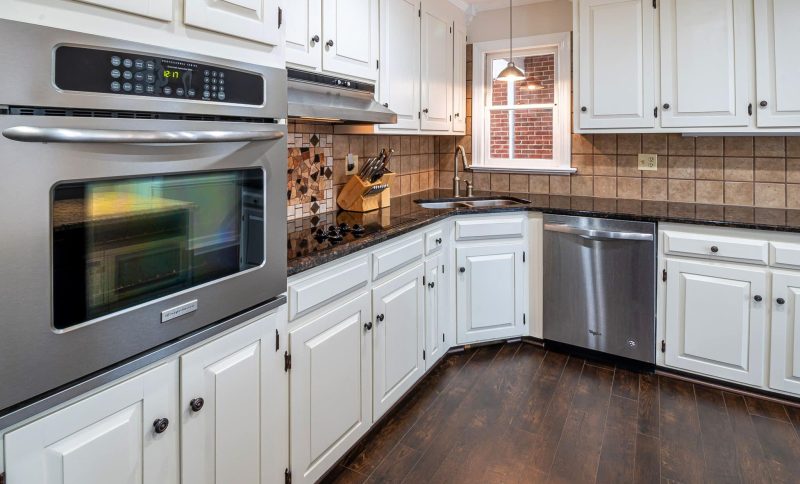
The kitchen is one of the first spaces buyers tend to evaluate closely, but preparing it for sale does not have to involve a major renovation. Strategic, lower-cost improvements can make the room feel cleaner, brighter, and more functional while helping sellers avoid spending money on upgrades they may not fully recoup. The goal is to focus on changes with broad buyer appeal and leave highly customized or luxury projects for the next owner.
Start With the Improvements Buyers Notice First
A dated kitchen can make an otherwise appealing home feel like a project. Fortunately, sellers do not always need a full remodel to make a strong impression. Smaller changes that make the room look cleaner, brighter, and more functional can often be more practical before listing.
Prioritizing visible maintenance, neutral finishes, organization, and general presentation rather than trying to perfect every part of a home. In the kitchen, that means fixing damaged surfaces, clearing clutter from counters, and thoroughly cleaning appliances, floors, cabinets, and grout before considering more expensive work.
Refresh Cabinets, Hardware, and Fixtures
Cabinets cover a large portion of the kitchen, so updating them can change the room without the cost of replacement. If the cabinet boxes are still in good condition, repainting or refinishing them in a neutral shade may be enough. New knobs and pulls can provide another inexpensive update.
Refreshing dated cabinetry and creating a lighter, more neutral kitchen. Sellers can also consider replacing an aging faucet or other visibly worn fixtures. These relatively small projects can help the kitchen look well-maintained and current without requiring a complete redesign.
Improve Lighting, Counters, and Backsplashes Strategically
Good lighting can make a kitchen look larger, cleaner, and more welcoming. Replacing dated fixtures or adding brighter task lighting around preparation areas can be a relatively affordable improvement.
Counters and backsplashes deserve more careful consideration because replacement costs can climb quickly. Durable quartz surfaces and simple backsplashes are justified when an upgrade is. Replacing worn countertops while emphasizing that sellers should balance renovation costs against likely buyer expectations.
If existing surfaces are simply dated rather than damaged, a deep clean and smaller cosmetic changes may provide better value than replacing everything.
Make Storage and Functionality Part of the Upgrade
Buyers evaluate more than finishes. Storage, layout, and day-to-day usability also influence how they perceive a kitchen. Improving storage and workflow where practical, identify functional problems such as inadequate storage or poor lighting before deciding where to spend.
Simple solutions might include adding cabinet organizers, installing pull-out storage, organizing the pantry, or removing excess items so cabinets appear more spacious.
Sellers planning their next move may also be deciding whether to buy before they sell, especially if they need more space or want to avoid coordinating two transactions at once. Understanding the likely value of the current home can help determine how much renovation spending makes financial sense.
Know When to Stop Spending
Luxury features are not automatically worthwhile before a sale. Additions such as beverage coolers, filtered-water fixtures, or pot fillers may appeal to some buyers, but they should suit the property and market. Highly personalized or expensive upgrades can be difficult to recover at resale.
Setting a realistic budget and weighing potential return before remodeling. Current market conditions matter too: Norada Real Estate advises sellers to consider inventory, buyer demand, financial goals, and personal circumstances when deciding whether it is the right time to list.
The same cost-versus-convenience calculation applies when reviewing a cash offer. Cash transactions may close faster and carry fewer financing-related risks, but sellers should still compare the offer price with the benefits of greater speed and certainty.
Ultimately, the strongest pre-sale kitchen improvements are usually the ones that make the room feel clean, functional, neutral, and ready for its next owner, not necessarily the ones with the biggest price tags.