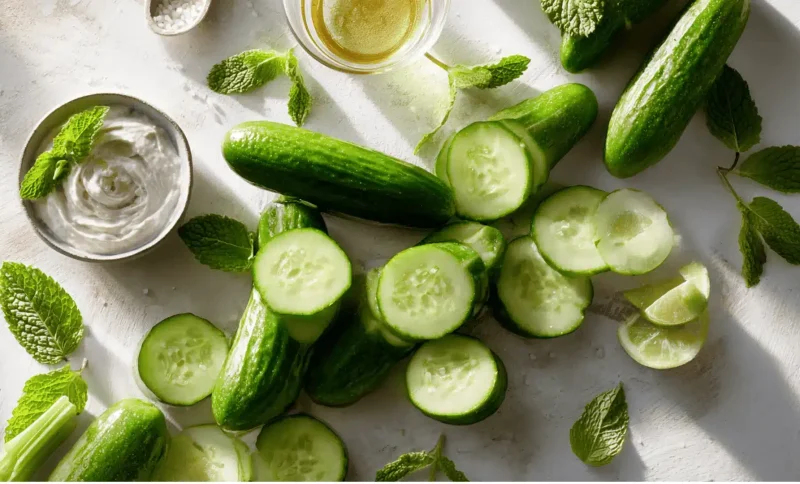
Mini cucumbers are small, crisp vegetables often eaten fresh in snacks, salads, and light meals. Their mild taste and thin skin make them easy to enjoy without peeling or cooking.
Many people also look at the nutritional benefits of mini cucumbers to understand how this simple vegetable fits into a balanced diet.
One common question is about the calories in mini cucumbers, since they are known for being very low in calories while still adding crunch and freshness. Mini cucumbers are mostly water and provide small amounts of fiber, vitamins, and minerals.
These nutrients help support everyday health while keeping meals light. Understanding their nutritional value, calorie content, and key nutrients helps people make informed choices when adding mini cucumbers to daily meals.
What Are Mini Cucumbers?
Mini cucumbers are small cucumbers, usually about 4 to 6 inches long. They look similar to regular cucumbers but are shorter and slimmer. One key difference is their thin skin, which is soft enough to eat without peeling.
They also have fewer seeds and a mild, slightly sweet taste. Because of their size and smooth texture, they are easy to slice and serve. Many people eat them raw as a snack or add them to salads, wraps, and simple meals.
Their crisp texture and fresh taste make them a common choice for quick dishes. They are also easy to pack in lunch boxes or enjoy with dips, which adds to their everyday use in many kitchens.
Mini Cucumber Nutrition Facts
Mini cucumbers are low in calories and provide small amounts of important nutrients.
According to standard cucumber nutrition data, cucumbers are low in calories and provide small amounts of key nutrients.
| Nutrient | Approx. amount in 1 small mini cucumber* | What it does in the body |
|---|---|---|
| Calories | 10-15 | Gives the body energy for daily tasks |
| Carbohydrates | About 2-3 g | Main source of energy |
| Fiber | About 0.5–1 g | Helps support digestion and can help you feel full |
| Protein | About 0.5–1 g | Helps build and repair body tissues |
| Fat | 0–0.1 g | Helps the body use some vitamins, though mini cucumbers have very little |
Mini cucumbers can weigh 75–100 grams, while slightly larger ones may reach 150 grams. They are a simple food choice for people who want something light and fresh.
Vitamins and Minerals In Mini Cucumbers
Mini cucumbers contain mostly water, but they still provide small amounts of useful vitamins and minerals. One important nutrient is vitamin K, which helps the body with normal blood clotting and supports bone health.
They also contain vitamin C, a nutrient that helps support the immune system and helps the body repair tissues.
Another mineral found in mini cucumbers is potassium, which helps maintain fluid balance and supports normal heart function.
Even though the amounts are not very high, these nutrients can still add value when mini cucumbers are eaten as part of regular meals and snacks.
Because they are light and easy to eat, they offer a simple way to add water, freshness, and a few helpful nutrients to everyday food choices.
Water Content and Hydration
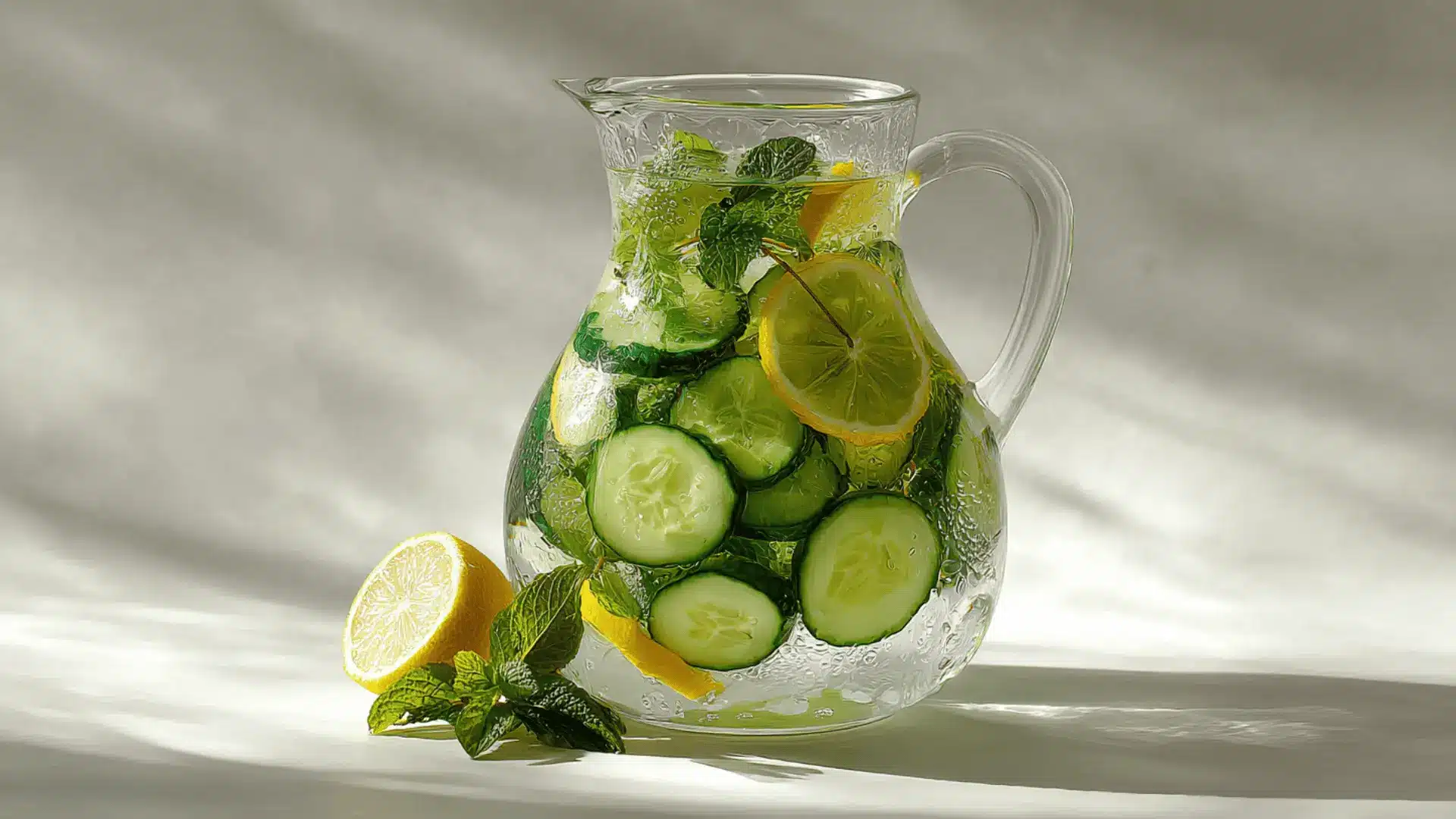
Mini cucumbers contain a very high water content. In fact, cucumbers are made up ofmore than 95% water, which is why they feel crisp and refreshing when eaten.
Foods with high water content can help support daily hydration by adding extra fluids to the body, along with regular drinks. This can be helpful during warm weather or after physical activity.
The high water level in mini cucumbers also means they contain very few calories. Because of this, they can add volume and freshness to meals without greatly increasing calorie intake.
Eating foods like mini cucumbers along with other fruits and vegetables can help people stay hydrated while also adding light, fresh ingredients to everyday meals.
Health Benefits of Mini Cucumbers
Mini cucumbers are light, hydrating, and easy to add to everyday meals. Their water, fiber, and potassium support several aspects of health.
- Hydration: High water content helps the body stay hydrated and supports healthy fluid balance each day.
- Weight control: Very low-calorie mini cucumbers are filling without adding much to total daily intake.
- Digestive health: Small amounts of fiber help support regular digestion and add bulk to meals.
- Heart health: Potassium helps balance fluids, supports healthy blood pressure, and supports normal heart function.
Because they are easy to prepare and can be eaten fresh, mini cucumbers can be added to salads, wraps, or snack plates with little effort.
Are Mini Cucumbers Good for Weight Loss?
Mini cucumbers are often included in balanced eating plans because they are light and low in calories. A small mini cucumber usually has only about 8–10 calories, making it easy to add to meals without significantly increasing daily calorie intake.
They also contain a high water content, which can help people feel satisfied while eating fewer calories overall. Their mild taste allows them to pair well with many foods such as salads, wraps, sandwiches, and snack plates.
Because they are easy to slice and eat fresh, mini cucumbers can help add volume and crunch to meals. This makes them a practical choice for people who want filling foods that support healthy eating habits.
How to Add Mini Cucumbers to Your Meals
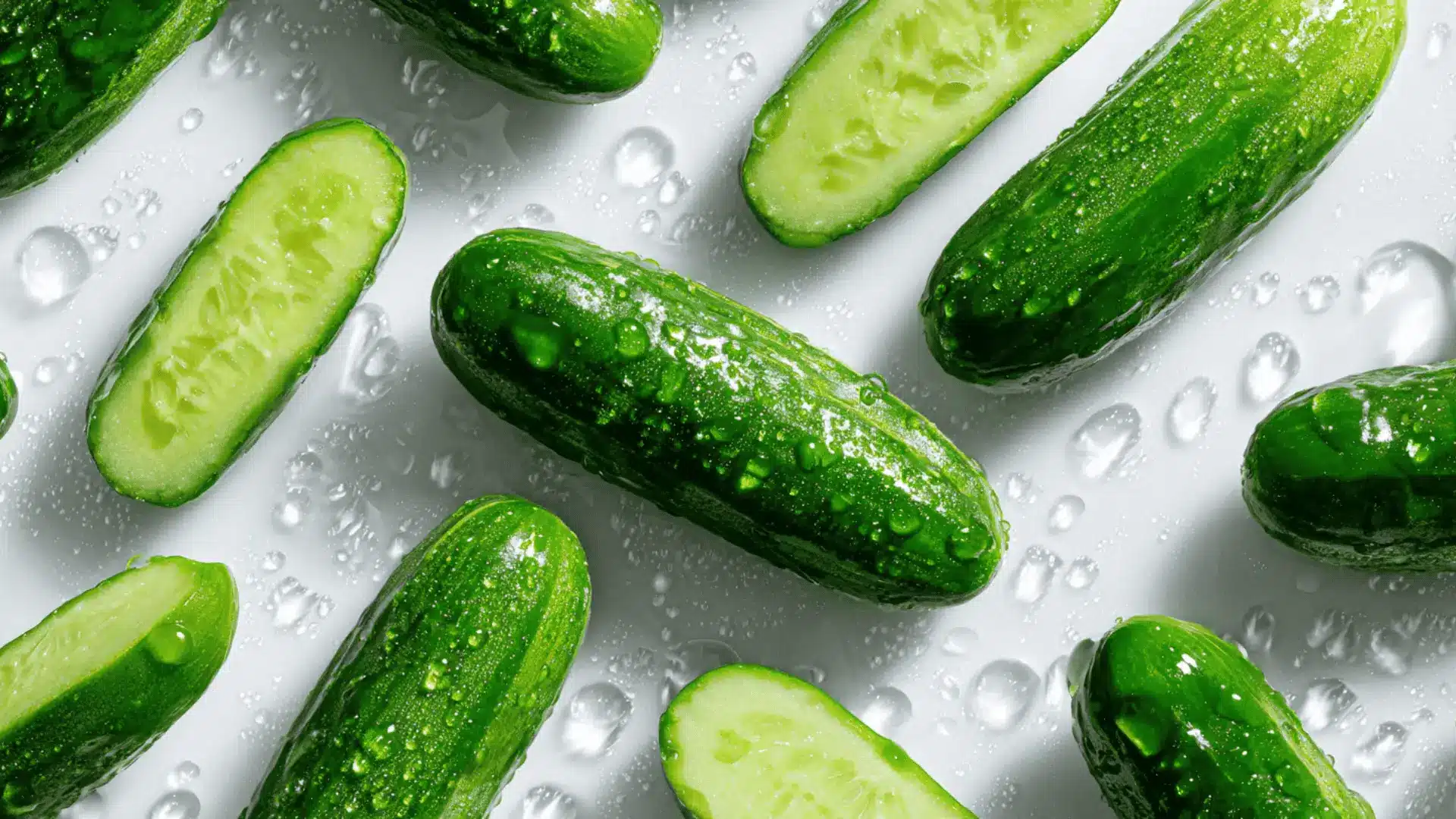
Mini cucumbers are easy to use in everyday food because they are simple to wash, slice, and serve. Their mild taste works well in both meals and snacks, which makes them a useful vegetable to keep on hand.
- Quick side dish: Mix sliced mini cucumbers with tomatoes and herbs for an easy side, or try a cucumber salad for a simple meal.
- Wraps and sandwiches: Add thin slices for a crisp bite.
- Snack option: Eat them with yogurt dip or hummus for a simple, balanced snack.
- Quick side dish: Mix sliced mini cucumbers with tomatoes and herbs for an easy side.
Because they fit into many types of meals, mini cucumbers can add variety with little effort. They are a simple way to make everyday food feel lighter, fresher, and more satisfying.
Popular Recipe Using Mini Cucumbers: Tzatziki
One well-known recipe that uses mini cucumbers is tzatziki, a simple yogurt-based dip often served with bread, vegetables, or grilled dishes.
It is made by mixing grated or finely chopped cucumbers with plain Greek yogurt, garlic, lemon juice, olive oil, and fresh herbs like dill or mint.
The cucumber is usually squeezed to remove extra water before mixing, which helps keep the texture thick and smooth.
Tzatziki is served cold and is known for its fresh taste and light texture. It works well as a dip for snacks or as a side with meals, making it a common and easy way to use mini cucumbers in everyday cooking.
Mini Cucumbers vs Regular Cucumbers
Mini cucumbers and regular cucumbers are very similar in terms of nutrition and taste, but they differ slightly in size, texture, and seed count.
Many people choose between them based on how they plan to use them in meals or snacks.
| Feature | Mini Cucumbers | Regular Cucumbers |
|---|---|---|
| Size | Small, usually 4–6 inches long | Larger, often 8–10 inches or more |
| Texture | Crisp with thin skin | Slightly thicker skin |
| Seed content | Fewer and smaller seeds | More noticeable seeds |
| Calories and nutrients | Very low calories and similar nutrients | Very similar nutrition overall |
Both are light, refreshing vegetables that can be used in many dishes.
How Many Mini Cucumbers Should You Consume Daily
A simple serving of mini cucumbers is about 2 to 3 pieces, or roughly 80 to 120 grams. That amount usually provides about 10 to 20 calories, depending on size and brand.
Cucumbers are considered non-starchy vegetables, and the American Diabetes Association notes that one serving of raw vegetables is 1 cup, while its plate method suggests filling half the plate with non-starchy vegetables.
Mini cucumbers can fit well into balanced eating plans because they are low in calories and high in water. Cucumbers are also about 96% water, which can help with hydration.
There is no fixed number that suits everyone, so the right amount depends on appetite, overall diet, and any health needs.
Eating more than a few is usually fine for most people, but it is better to avoid broad claims that there are never any concerns.
Wrap-Up
Mini cucumbers are an easy food to include in everyday meals and snacks. When looking at the nutrition of mini cucumbers, it is clear that they offer a lot of water with very few calories.
The calories inmini cucumbers remain low, making them a light choice for salads, wraps, snack plates, and side dishes. They also provide small amounts of vitamins and minerals that can support overall health.
Their crisp texture and mild taste make them simple to pair with many foods. For people who want fresh, low-calorie vegetables, mini cucumbers are a practical option. Try adding them to your next meal or snack and see how easily they fit into a balanced eating pattern.
Frequently Asked Questions
How Should Mini Cucumbers Be Stored?
They should be kept in the refrigerator, ideally in a sealed bag or container, to help maintain freshness.
Are Mini Cucumbers Better than Regular Cucumbers?
Both have similar nutrition. Mini cucumbers are often preferred for their thin skin, fewer seeds, and easy use in snacks.
Can Mini Cucumbers be Eaten with The Seeds?
Yes, mini cucumbers can be eaten with the seeds. The seeds are soft, small, and easy to digest, so there is no need to remove them before eating.