A home doesn’t have to look like a magazine spread to be a good one. It doesn’t even have to be spotless. Most of the time, “organized enough” is the sweet spot: you can find your keys, you can walk through a room without stepping over something, and daily life doesn’t feel like a fight.
So getting organized isn’t about chasing a perfect house. It’s about making the place work for you, with rooms that feel calmer without stripping out the things that make them yours.
Start With What You Already Own
Before you buy bins, baskets, or a new closet system, take stock of what’s there. Plenty of homes have enough storage already. It’s just full of things nobody uses anymore.
Start small. One drawer. One closet. One corner of a room. Sort what’s inside into four piles: things you use all the time, things you rarely use but genuinely want to keep, things someone else could put to use, and things that should have been thrown out years ago.
You don’t need to become a minimalist about it. Sentimental pieces, the books you reread, the pan you cook with every week: all of that earns its space. The question isn’t whether an item is useful to somebody. It’s whether it’s worth the room it takes up in your home.
Once the extra is gone, organizing what’s left gets a lot easier.
Give Everyday Things a Home
Clutter usually comes from a small number of items that never had a designated spot. Fix that and half the problem disappears.
Keys go on a hook by the door. Mail lands in one tray instead of three surfaces. Shoes go in a basket rather than a trail across the entryway. The same goes for the kitchen, where the utensils and appliances you reach for daily should live somewhere you can put them back without thinking about it.
Simple systems win. If putting something away takes four steps, it won’t happen on a Tuesday night when you’re tired.
Organize Around How You Actually Live
Pay attention to what your household already does, then build around it instead of fighting it.
If bags pile up by the front door, that’s where bag storage belongs. If papers collect on the kitchen counter, put a file box or a drawer near the counter. If everyone kicks off their shoes in the same corner, a rack in that corner will work better than a closet on the other side of the house, even if the closet is technically the “right” place for it.
Good organization supports your habits. It shouldn’t ask you to change them.
Use the Space You’re Not Using

Most homes have more storage than it seems. Walls, the backs of doors, corners, the space under furniture: all of it counts.
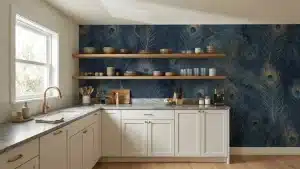
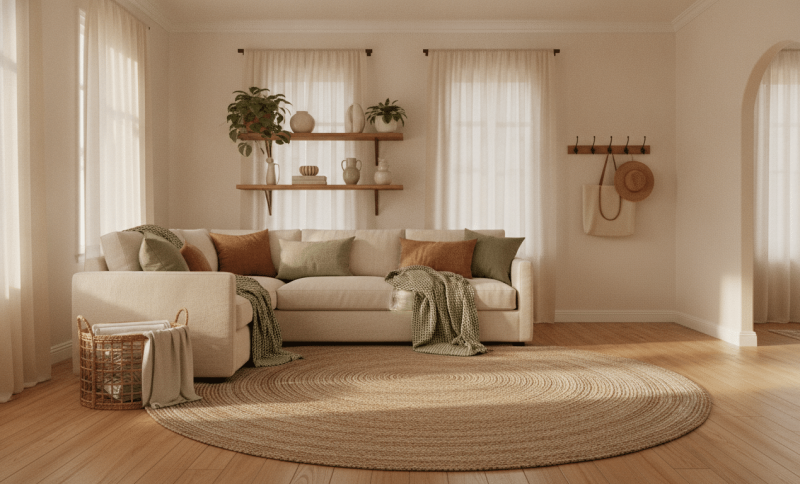
Wall-mounted shelves can hold books, plants, or kitchen supplies. Hooks handle coats, bags, brooms, and cleaning tools. Flat containers under the bed are good for off-season clothes and spare linens.
That said, the goal isn’t to cram something into every empty inch. A room that functions well usually has some breathing room in it, not more storage.
Separate Everyday Items From Seasonal Ones
When the things you use twice a year share space with the things you use twice a day, everything feels crowded.
Holiday decorations, winter coats, camping gear, sports equipment, luggage, extra furniture: all worth keeping, but none of it needs to occupy prime real estate for twelve months.
Where you put it depends a lot on where you live. Someone in Bainbridge will want something close to home. A homeowner in Savannah might have different options depending on the neighborhood and how their week runs. Around Lake Oconee, most people go with a self-storage facility nearby. And for anyone in the Eatonton area, storage units near Eatonton, GA are one way to get seasonal and rarely used belongings out of the closet, garage, or spare room while keeping them easy to grab when the season turns.
Just treat storage as part of the plan, not as a way of moving clutter somewhere you can’t see it.
Create Zones for What You Do
Grouping a room by activity usually answers the “where does this go” question on its own.
A kitchen might have a prep area, a cooking area, a coffee station, and a cleanup zone, with the right tools stored in each one. A home office splits neatly into paperwork, tech, and supplies. A living room can have a reading corner, a spot for work, and space set aside for having people over.
The lines don’t need to be strict. You’re just putting things near the activity they belong to.
Keep an Eye on the Trouble Spots
Every house has a few places that get messy faster than the rest. Usually it’s the entryway, the kitchen counter, the bathroom, and wherever the family lands in the evening.
A basket at the bottom of the stairs catches everything that needs to go up. A small tray by the door holds keys and sunglasses. In the bathroom, one container for what you use daily beats six things spread across the counter.
Ten minutes at the end of the day is often enough to reset those spots. Do it often enough and it stops feeling like cleaning.
Comfortable, Not Just Tidy
An organized home should still look like someone lives there.
Books, photos, art, plants, the odd thing you brought back from a trip: that’s what makes a room feel good. Clearing out clutter isn’t about removing everything that isn’t strictly useful. It’s about giving the things you love enough space to be noticed.
Comfort is physical, too. The Environmental Protection Agency points to ventilation, moisture, and indoor pollutant sources as factors worth paying attention to for indoor air quality. Clear floors and surfaces make cleaning simpler, and staying on top of airflow and damp goes a long way toward a home that feels fresh rather than stuffy.
Make It Easy to Keep Up
The system that matters is the one still standing six months after the big cleanout.
Every few months, check the spots where clutter creeps back. Clothes that don’t fit, gadgets you never use, broken things you meant to fix, the third spatula: catching those early keeps them from turning into another weekend project.
One rule helps more than most. When something new comes in, ask whether you already own something that does the same job.
Seasonal changes are a natural checkpoint. At the end of summer, outdoor gear and warm-weather clothes move back, and cold-weather things come forward.
Researchers have looked at the link between the home environment and well-being as well, which makes it worth thinking about how the space around you shapes your day.
Don’t Aim for Perfect
Houses get lived in. There will be dishes in the sink and a coat on the back of a chair. Some days nobody has the energy to put anything away, and that’s fine.
A good system doesn’t prevent mess. It makes mess easy to undo. When everything has a place, a room can go from chaos to calm in a few minutes, and that’s worth far more than a house that looks perfect on a Saturday morning.
Final Thoughts
Getting organized doesn’t require a renovation. Clear out what you don’t need, give your daily items a home, and use the storage you already have before buying more.
Then take an honest look at the seasonal things scattered around the house and decide whether they need to be inside your living space at all. The garage, attic, or basement may cover it. If not, an off-site unit can free up room for the belongings you actually use and love.
Pick something practical, a setup that will still hold up during a busy stretch. Organization that’s easy to maintain is what makes a home feel calm and comfortable, even when it isn’t perfect.