Introduction
Planning a stress-free dinner party is mostly about doing the right things before anyone rings the doorbell. Keep the menu manageable, prepare what you can in advance, and leave yourself enough time to actually enjoy the evening.
The aim is not to recreate a restaurant in your dining room. Good hosting is about making people comfortable while keeping the work behind the scenes under control. A few thoughtful decisions about the menu, preparation, drinks, setting, and timing can take much of the pressure out of the night.
1. Start With a Simple Menu and Guest List
Before thinking about recipes, decide how many people you can comfortably host. Look at your table, kitchen space, and how much cooking you can realistically handle. If you are hosting for the first time, a smaller group is often easier to manage and gives you more time to talk to everyone.

Keep the menu focused. Choose a main dish you have made before, then build around it with a couple of straightforward sides and a dessert that does not need much last-minute attention. There is little benefit in attempting five complicated dishes when one well-executed main and a few good accompaniments will make a better meal.
Ask about allergies and dietary requirements before you start shopping. Then make one list of the ingredients, drinks, and other essentials you will need. Check your pantry and refrigerator first. It is an easy step, but it can save you from buying things you already have or discovering a missing ingredient halfway through cooking.
2. Prepare as Much as Possible Ahead of Time
The best time to make a dinner party easier is before the guests arrive. Anything you can cook, chop, measure, or arrange in advance is one less job competing for your attention later. A little preparation also gives you a chance to spot problems while there is still plenty of time to fix them.
- Make what you can ahead: Desserts, sauces, marinades, dressings, and some side dishes can often be prepared a day or two early. Wash and chop vegetables and measure ingredients in advance if it will save time later.
- Get the kitchen and dining area ready: Set out plates, glasses, cutlery, napkins, and serving dishes before you start cooking. If your kitchen is part of the entertaining space, keeping it organized is especially useful. Ideas from Creating a Kitchen That Inspires You to Entertain More Often can also help you think about how the space works when people gather.
- Write down the timing: Note when each dish needs to go into the oven, be reheated, or come out of the refrigerator. Build in a little extra time for jobs that tend to take longer than expected.
Once the major preparation is finished, resist the temptation to add more to the list. The final hour should be about finishing the food, getting yourself ready, and welcoming your guests rather than starting another complicated task.
3. Choose Food and Drinks That Work Well Together
Think about the main dish first, then choose drinks that make sense with its flavors. A rich meal may call for something with enough freshness to balance it, while lighter dishes can work well with more delicate choices. You do not need a separate drink for every course.

Keep the selection manageable. One or two suitable options, plenty of water, and a non-alcoholic choice will cover most dinner parties. If you are serving wine, buy enough for the group and chill anything that needs to be served cold before people arrive.
It is also worth sorting out the drinks while you are planning the rest of your shopping. A reputable wine retailer such as Canterbury Wines can make it easier to find bottles suited to the meal or occasion. Having everything ready before the first guest arrives means one less thing to think about during dinner.
4. Create a Welcoming Atmosphere Without Overdoing It
The atmosphere matters, but creating it does not have to become another project. Guests are more likely to remember how comfortable and relaxed they felt than whether every part of the room was perfectly decorated. Think about a few details that make the space feel intentional, then leave it alone.
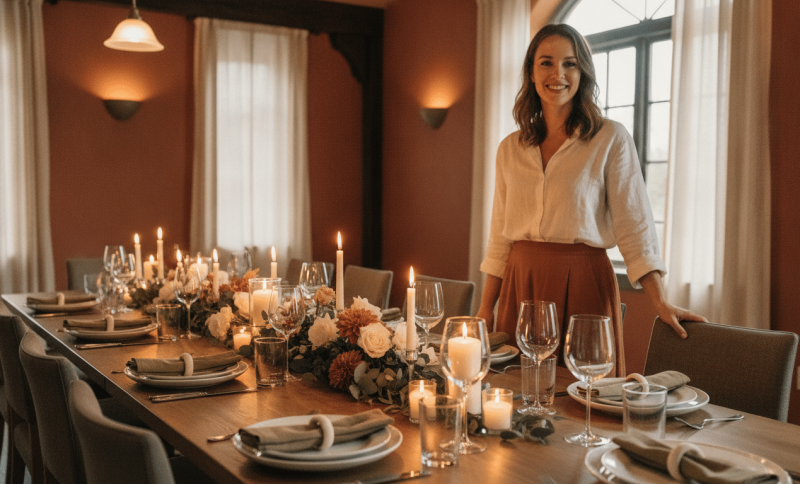
- Keep the table simple: Clean tableware, fresh napkins, and a small centerpiece are usually enough. Leave plenty of room for serving dishes and conversation. A low arrangement is better than anything that forces guests to look around a large decoration.
- Set the mood: Soft lighting and quiet background music can change the feel of a room without much effort. Turn down harsh overhead lights and use lamps or candles where appropriate.
- Make guests comfortable: Give coats and bags a clear place to go, and make drinks easy to find. If you want more ideas for creating a relaxed dinner-party experience, How to Make Your Next Dinner Party Feel Like a Proper Night Out offers useful inspiration around the details that make an evening feel special.
Do these jobs before guests arrive. Once the room is ready, stop adjusting it and concentrate on the people sitting around your table.
5. Have a Plan for the Evening
A dinner party does not need a strict schedule, but having a rough idea of how the evening will unfold can prevent small problems from piling up. Know when guests are arriving, when you want to serve the main course, and which dishes need attention along the way. Then leave enough room for the evening to take its own shape.
Try to stay out of the kitchen once dinner is underway. Keep reheating and finishing tasks organized, use timers when something is in the oven, and do as much as possible before guests arrive. If a dish needs last-minute attention, tell your guests what you are doing rather than disappearing for half an hour.

The end of the evening should be just as easy. Have dessert, coffee, or tea ready to serve without much work. There is no need to clear every plate the moment it is empty or get the kitchen spotless before anyone leaves. Let the conversation run its course and enjoy the gathering you spent all that time preparing.
Conclusion
A relaxed dinner party rarely comes from doing more. It comes from making sensible choices early, keeping the menu under control, and taking care of the small jobs before guests arrive. When the preparation is done, there is much less to manage once everyone sits down.
Most importantly, do not confuse good hosting with perfection. A slightly late course or an imperfect table will not matter nearly as much as whether your guests felt welcome. Keep the evening flexible, stay present, and give yourself permission to enjoy the meal too.